

The modern gym is an odd museum of intention.
There are machines that look like they were designed by engineers who hate knees. There are machines that seem to exist solely to give you something to do while you avoid the squat rack. And there are machines you walk past every day without noticing—the quiet workhorses that, used well, can build strength, muscle, and confidence with less fuss than the fitness internet would like to admit.
Machines are often treated like the “easy” version of training, as if the real work happens only under a barbell, preferably while grimacing for a camera. But most people don’t need a moral hierarchy of equipment. They need results they can repeat. Machines can help with that: they’re stable, time-efficient, and often kinder to joints. They also let you train hard even when you’re tired, distracted, new to lifting, or simply not in the mood to negotiate balance.
Of course, machines can also waste your time. Some are redundant. Some encourage awkward positions that don’t match most bodies. Some feed the illusion that you’re training a muscle when you’re mostly just moving a lever.
So here’s a practical guide: eight gym machines worth your time—and six you can walk past without feeling like you skipped something important.
A small promise: this is not an anti-machine manifesto or a pro-machine sales pitch. It’s a “use what works” approach. The point is to spend your gym time on movements that deliver the most return—strength, muscle, resilience—without turning training into a scavenger hunt.
How to judge a machine in 15 seconds
Before we get specific, here are three quick questions that separate “useful” from “noise”:
- Does it let you load a big, meaningful movement safely?
If it trains a major pattern (squat, hinge, push, pull) or a big muscle group efficiently, it’s likely worth your time. - Does it fit your body without weird contortions?
If you can’t get into position without bending yourself into something unrecognizable, the machine is not “challenging.” It’s poorly matched. - Does it help you train hard without stealing energy from your actual goal?
A machine that lets you hit a muscle without exhausting your grip, lower back, or patience can be a gift—especially if you also do free weights.
Machines are tools. Good tools make the job easier without making the results smaller.
8 Gym Machines Worth Your Time
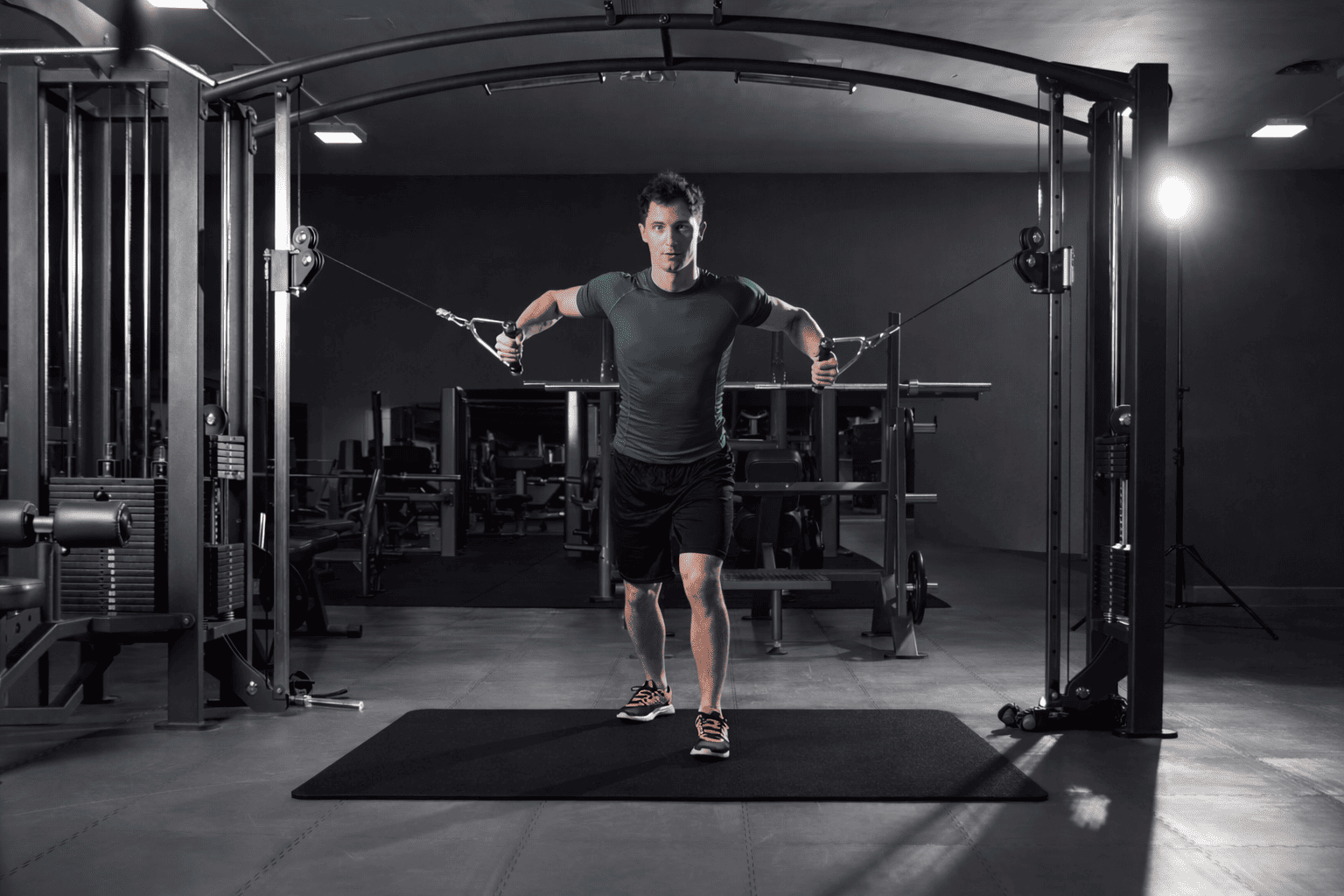
1) The Cable Station (Functional, Adjustable, Nearly Endless)
If the gym were a kitchen, the cable station would be the chef’s knife.
It’s not one machine; it’s a system. And it’s valuable because it provides smooth resistance through a range of motion, with angles you can adjust to match your body and your goal.
Why it’s worth it
- Trains pushing and pulling in multiple planes (and life is rarely a straight line).
- Great for building muscle with consistent tension.
- Scales easily for beginners and remains challenging for advanced lifters.
- Lets you train around cranky joints by changing angles.
Best moves
- Cable row variations (seated, standing, single-arm)
- Lat pulldown variations (if attached)
- Cable chest press or fly
- Face pulls
- Pallof press (anti-rotation core)
- Triceps pushdowns, biceps curls
Make it work better
- Set the pulley height to match the movement, not the other way around.
- Move slowly on the way back; don’t let the stack slam like you’re angry at gravity.
- Use handles that feel natural for your wrists and shoulders.
If you only had access to one piece of equipment for upper-body training, cables would be a strong argument.
2) The Lat Pulldown (For Your Back, Your Shoulders, and Your Posture)
Pull-ups are excellent. They’re also inaccessible to many people for a long time. The lat pulldown offers a practical alternative: you can train the same general pattern—vertical pulling—at a load you control.
Why it’s worth it
- Builds lats and upper back, which support shoulder health and posture.
- Helps develop pulling strength that carries over to pull-ups.
- Provides a stable setup that reduces “swinging and hoping.”
How to do it well
- Set the thigh pad so you’re locked in without being crushed.
- Pull the bar down toward the upper chest while keeping ribs stacked (don’t turn it into a reclined row).
- Think elbows down, shoulder blades back and down.
- Control the return; don’t let the weight yank your shoulders upward.
Common mistake
- Pulling behind the neck. For many bodies, that position irritates shoulders and offers little benefit. Pull to the front and keep it clean.
If your program lacks vertical pulling, your shoulders eventually notice.
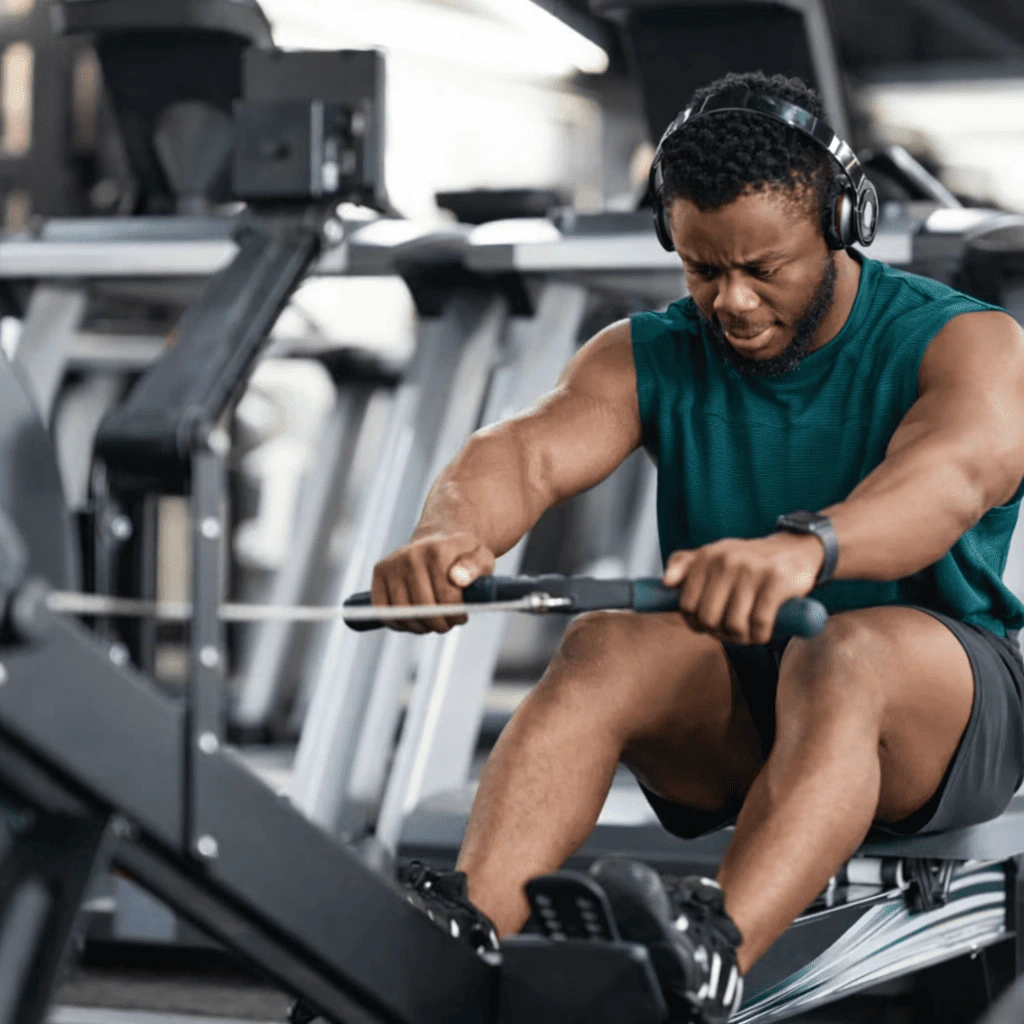
3) The Seated Row (The “Fix Your Desk Life” Machine)
Rows don’t just build a back that looks good in a T-shirt. They build a back that holds you upright, stabilizes your shoulders, and balances all the pushing most people do—bench press, push-ups, carrying bags, living with a laptop.
Why it’s worth it
- Trains the mid-back (rhomboids, traps), lats, and rear delts.
- Beginner-friendly and easy to progress.
- Helps counter the forward-shoulder posture of modern life.
How to do it well
- Start tall. Let shoulders reach slightly forward at the start without collapsing your chest.
- Pull handles toward your lower ribs or belly button, depending on grip.
- Keep elbows at an angle that feels strong—neither flared like wings nor pinned awkwardly.
- Pause briefly at the squeezed position.
Upgrade
- Try one-arm cable rows for symmetry and core engagement.
This is one of those machines that looks boring until you realize how many people neglect it—and how much better their shoulders would feel if they didn’t.
4) The Leg Press (When You Want Hard Legs Without the Barbell Tax)
The leg press is often dismissed as a “not real” squat. That argument is mostly cultural. The leg press is a legitimate tool for building strong legs—especially if squats aggravate your back, require too much setup, or feel intimidating.
Why it’s worth it
- Lets you train quads and glutes heavily with lower skill demands.
- Great for hypertrophy (muscle growth) due to stability and load.
- Useful when you want to spare your lower back.
Do it well
- Place feet so your knees track comfortably over toes.
- Lower until your hips stay stable (don’t fold your pelvis under in a deep, compromised position).
- Push through midfoot, not just toes.
- Avoid locking knees hard at the top.
Common mistake
- Going too deep with the pelvis rounding (“butt wink”) under load, which can irritate the low back for some people. Depth is good; unstable depth is not.
The leg press is not a replacement for all squatting. It’s a powerful complement—or a smart main course for many bodies.
5) The Hack Squat or Pendulum Squat (If Your Gym Has It)
These machines can be brutally effective: they mimic squat patterns while providing support and consistent mechanics. Not every gym has them, but when they do, they’re often worth the line.
Why it’s worth it
- Quads and glutes get a serious stimulus.
- The machine path can allow deep, controlled squatting with less balance demand.
- Many people feel a better quad stimulus than with a barbell back squat.
Do it well
- Keep your torso and pelvis stable; don’t let your lower back peel off the pad.
- Choose a foot position that feels strong and knee-friendly.
- Control the bottom; don’t bounce.
Who should be cautious
- People with certain knee issues may need careful range-of-motion management. Start conservative.
In the right hands, this machine is a leg-builder with a very high return per minute.
6) The Smith Machine (Yes, Really—If You Use It Wisely)
The Smith machine has been mocked for years, sometimes fairly. It locks the bar path, which can be awkward for some movements. But it’s also a stable way to train heavy, especially when you don’t have a spotter or you want to focus on muscle without balancing an entire physics problem.
Why it’s worth it
- Great for controlled hypertrophy work.
- Can make certain exercises safer and more predictable.
- Useful for training close to failure without fear.
Best uses
- Smith machine split squats
- Smith machine Romanian deadlifts (with careful form)
- Smith machine incline press (if setup feels good)
- Calf raises
- Hip thrusts
When to skip it
- If a movement feels forced by the fixed bar path. Your joints will tell you.
The Smith machine isn’t “cheating.” It’s a tool. Use it for what it’s good at: stability and control.
7) The Assisted Pull-Up / Dip Machine (Strength Without Shame)
Assisted machines are often treated like training wheels. That’s a strange insult in a sport where progress requires repetition.
Assisted pull-ups and dips let you practice the movement pattern at a load you can manage, building strength and confidence in a clear, trackable way.
Why it’s worth it
- Bridges the gap between “can’t” and “can.”
- Trains full range of motion with manageable intensity.
- Helps build connective tissue tolerance gradually.
Do it well
- Use assistance that allows clean reps—no swinging, no half-range.
- Reduce assistance slowly over time.
- Treat it like real strength work: controlled reps, full range.
This machine is especially valuable for people who want pull-ups but don’t want to spend six months doing random lat pulldowns and hoping for a miracle.
8) The Back Extension (45-Degree Hyper) (For Glutes, Hamstrings, and a Resilient Back)
The back extension station is misunderstood. People assume it’s purely a “lower back” machine and either avoid it or do it in a way that turns it into exactly that.
Done well, it can train the posterior chain—glutes and hamstrings—while building tolerance in the spinal erectors.
Why it’s worth it
- Strengthens glutes and hamstrings when performed with a hip hinge.
- Builds trunk endurance that helps daily life and lifting.
- Can reduce fear around bending when loaded appropriately.
How to do it well
- Set the pad so your hips can hinge freely.
- Keep spine neutral; hinge at the hips.
- Think “push hips into the pad,” squeeze glutes to come up.
- Hold a weight plate once bodyweight reps are easy.
Avoid
- Overextending at the top (arching hard). Finish tall, not dramatically leaned back.
This is a smart machine for people who want a strong backside and a back that doesn’t feel fragile.
6 Machines You Can Walk Past (And What to Do Instead)
To be clear: nearly any machine can be useful for someone, somewhere, in a specific rehab context. But for the average person with limited gym time who wants strength, muscle, and general fitness, these are often low-return or unnecessarily awkward.
1) The Hip Adductor / Abductor Machines (Inner/Outer Thigh)
These machines can create a nice burn. They can also create the illusion that “burn equals results,” which is not always true.
Why you can often skip
- They isolate muscles that are better trained through compound movements that also build strength and coordination.
- Many people load them heavy with poor pelvic positioning, which can irritate hips.
Do this instead
- Lateral lunges, step-ups, and split squats
- Cable hip abductions (more adjustable)
- Side planks, band walks, and single-leg work
If you love them and they feel good, fine. But they are not the foundation of strong legs or a stable pelvis.
2) The Seated Twisting Ab Machine
It looks like core work. It often becomes momentum work.
Why you can often skip
- Encourages loaded spinal rotation through a fixed path, which doesn’t suit everyone.
- People tend to jerk and swing, turning it into a lower back irritant.
Do this instead
- Pallof press (cable anti-rotation)
- Suitcase carries
- Dead bugs and side planks
- Cable chops with control (if your back tolerates them)
Your core’s job is often to resist rotation, not chase it aggressively under load.
3) The Inner-Thigh “Squeeze” Machines With Tiny Range
Some machines exist because they’re easy to manufacture and easy to sell. They offer a small movement that feels like something, while not building much that carries over.
Why you can often skip
- Low load potential, limited range, poor transfer to athletic strength.
- High risk of turning into “busy gym time.”
Do this instead
- Squats, lunges, hip hinges
- Sled pushes (if available)
- Step-ups and split squats
Train big patterns first. If you still want a finisher, choose one that doesn’t feel like a gimmick.
4) The Neck Machine
Neck training can be useful in contact sports. For most people, the risk-benefit ratio isn’t great—especially without coaching.
Why you can often skip
- Neck is sensitive; poor loading can create problems quickly.
- Most people need posture and upper back work more than direct neck loading.
Do this instead
- Rows, face pulls, and thoracic mobility
- Chin tucks and controlled neck exercises if recommended by a professional
If you have a specific reason to train neck strength, get guidance. Otherwise, you’re better served elsewhere.
5) The Seated Leg Extension Machine (Not Always, But Often Overused)
This one is controversial because it can be useful, especially for quad hypertrophy and rehab contexts. But it’s often overemphasized by people who avoid harder leg training.
Why many can reduce it
- It trains quads in a way that doesn’t build full lower-body strength alone.
- Some people find heavy extensions irritate knees (though not everyone).
Do this instead (as your main leg work)
- Leg press, hack squat, split squats, step-ups
- Then add leg extensions as accessory work if they feel good
If you love leg extensions and your knees tolerate them, keep them—but don’t let them replace your main leg training.
6) The Ab Crunch Machine (The One With the Pad You Fold Over)
Crunch machines aren’t inherently bad. They’re just often redundant, and many people do them with poor positioning, rounding aggressively and yanking with the arms.
Why you can often skip
- Doesn’t teach core stability under load in the way most life and lifting demand.
- Easy to “do reps” without meaningful tension.
Do this instead
- Cable crunch (better adjustable resistance if you want flexion)
- Planks, carries, dead bugs
- Hanging knee raises if shoulders allow
If you want visible abs, diet and total training volume matter more than any one crunch machine.
The real question: What are you training for?
The right machines depend on your goal. Here’s how these choices line up with common ones:
If you want muscle (hypertrophy)
Prioritize: leg press/hack squat, seated row, lat pulldown, cable station, Smith machine
Then add accessories based on weak points.
If you want strength with joint-friendliness
Prioritize: machines that stabilize you while letting you load big patterns—leg press, hack squat, cables, rows, assisted pull-ups.
If you want fat loss
Machines don’t “burn fat.” Consistency does. Choose machines that let you train hard without injury risk or burnout. Then walk more than you think you need to.
If you’re a beginner
Machines are often ideal early on: they let you learn effort and build a base. Pair them with a few free-weight basics as confidence grows.
A simple “good gym day” using mostly machines (45 minutes)
If you want a plan that doesn’t require wandering:
- Leg press or hack squat — 3 sets of 8–12
- Seated row — 3 sets of 8–12
- Lat pulldown or assisted pull-up — 3 sets of 8–12
- Cable chest press or Smith press — 3 sets of 8–12
- Back extension — 2–3 sets of 10–15
- Pallof press or suitcase carry — 2–3 rounds
Progress by adding reps first, then weight. Keep 1–2 reps “in the tank” on most sets, and push closer to challenging on your last set if you’re feeling good.
This is not glamorous. It’s effective.
A final thought: The gym doesn’t reward confusion
A lot of gym culture encourages wandering, novelty, and the idea that if you’re not suffering, you’re not improving. Machines can be an antidote to that. They can make training clear: sit here, move this, progress gradually.
But the machines worth your time share a trait: they help you train the movements that matter, with enough load to force adaptation, without forcing you into awkward positions that your joints will remember later.
Use the good ones. Walk past the noise. Keep your effort for the things that actually change you.
And if you ever feel unsure, here’s the simplest principle in the building:
Train big patterns. Do them well. Repeat them often.



 Sign In